
By upgrading their storefront signs with digital signage, you can increase sales like McDonald's, Adidas, Sephora, and Tesla did. These businesses saw boosts ranging from 4% to 11% in certain product categories, thanks to enhanced customer engagement, streamlined checkout processes, and immersive brand experiences. With digital signage, you can educate customers, promote products, and provide interactive experiences that drive sales and loyalty. Want to learn how these businesses achieved success and how you can replicate their strategies?
Key Takeaways
- McDonald's digital signage kiosks improved order accuracy, reduced wait times, and increased average transaction values, resulting in notable sales increases.
- Adidas' interactive digital screens and mirrors enhanced the shopping experience, leading to higher sales conversion rates and memorable customer interactions.
- Sephora's omnichannel approach, featuring digital signage and augmented reality mirrors, increased customer satisfaction and loyalty, driving sales and growth.
- Tesla's immersive showroom experience, with interactive displays and virtual reality, educated customers and drove sales through engaging presentations and targeted marketing.
- Implementing digital signage can increase conversion rates, boost customer engagement, and enhance brand visibility, as seen in these successful case studies.
McDonald's Digital Signage Success: A Case Study
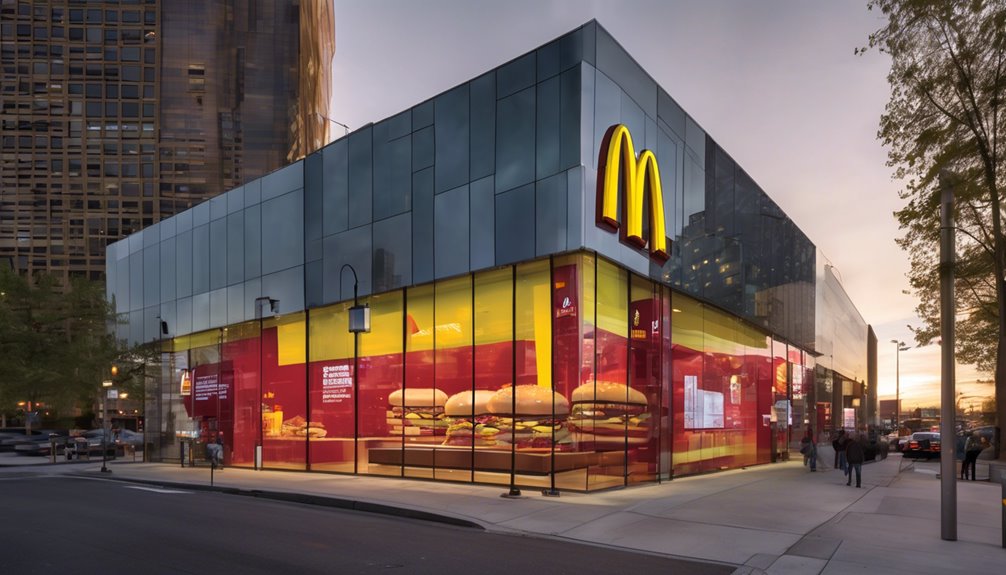
In a bid to revolutionize the fast-food industry, McDonald's commenced on an ambitious initiative, dubbed the "Experience of the Future," in 2019. As part of this effort, you saw the introduction of digital signage kiosks, allowing you to customize meals and place orders digitally. This move markedly improved order accuracy by minimizing errors common in traditional order-taking processes. You experienced reduced wait times due to the self-service nature of the kiosks, leading to increased customer satisfaction. The digital signage also enhanced upselling opportunities, resulting in higher average transaction values. Overall, the implementation of digital signage contributed to notable sales increases, with certain products seeing boosts of up to 11%. This case study showcases the power of digital signage in transforming the customer experience and driving business growth.
How Adidas Used Digital Signage to Drive Sales in Pop-Up Stores
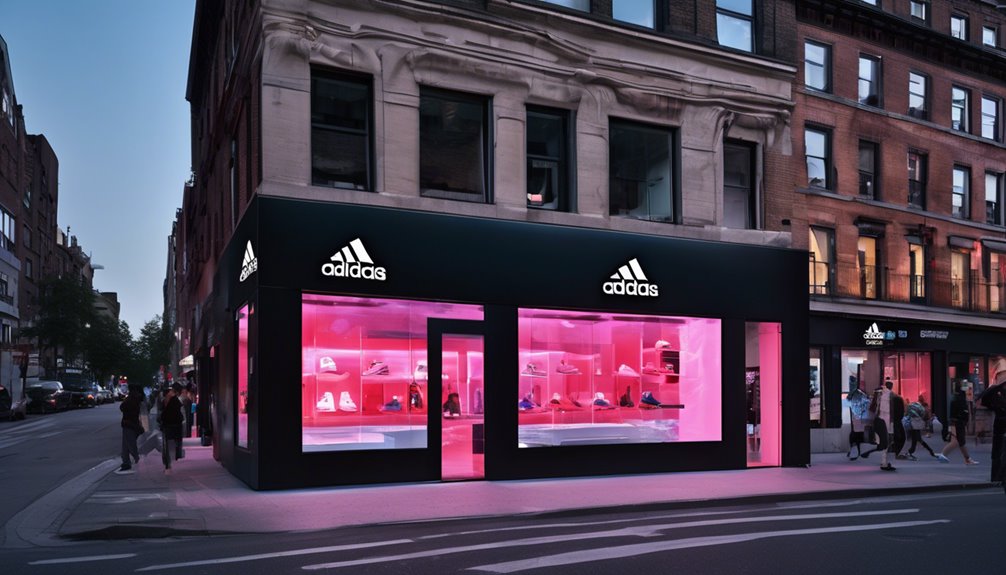
You step into an Adidas pop-up store, and suddenly you're immersed in a dynamic, tech-driven environment that's designed to captivate and engage. High-definition digital screens showcase product details, pricing, and real-time availability, enhancing customer engagement and encouraging purchases. Interactive mirrors in fitting rooms allow you to virtually try on clothing items, creating a unique and immersive shopping experience. Digital displays promote social media sharing by incorporating user-generated content, helping to build a brand community and drive foot traffic. Real-time promotions and flash sales are strategically displayed to spur impulse purchases, contributing to increased sales during the holiday season. The pop-up store experience effectively showcases the latest products and trends, resulting in memorable interactions that translate into higher sales conversion rates. By leveraging digital signage, Adidas creates an engaging and interactive environment that drives sales and fosters brand loyalty.
Sephora's Omnichannel Approach: Integrating Online and Offline Retail

As Sephora seamlessly merges its online and offline retail channels, it's clear that the beauty retailer is revolutionizing the shopping experience. You'll notice digital signage throughout their stores, displaying product information, customer reviews, and video tutorials. This omnichannel approach creates a cohesive shopping journey, whether you're browsing online or in-store. Personalized product recommendations on in-store digital screens, based on your purchase history and preferences, enhance your engagement. Augmented reality mirrors even let you virtually try on makeup products, blurring the lines between online and offline retail. Digital signage also makes it easy to access Sephora's online store, encouraging you to explore and purchase more. The result? Increased customer satisfaction and loyalty, thanks to a consistent and personalized shopping experience across all platforms. By integrating online and offline retail, Sephora sets a new standard for customer engagement and satisfaction.
Tesla's Immersive Showroom Experience: The Power of Digital Signage
Tesla's innovative approach to retail is revolutionizing the car-buying experience, and its immersive showrooms are a demonstration of the power of digital signage. You'll find interactive digital displays that educate you about vehicle specifications, customization options, and technology benefits, enhancing your overall understanding and engagement. Augmented reality mirrors allow you to visualize and explore different vehicle models and configurations in a highly immersive manner. Digital signage facilitates real-time updates on charging networks and sustainability information, providing you with relevant and timely data during your visit. Engaging presentations and virtual reality experiences contribute to a compelling environment, driving your interest and potential sales conversions. Additionally, digital displays enable data collection on your interactions, allowing for targeted marketing strategies and improved customer experiences in the future. By leveraging digital signage, Tesla creates an unforgettable customer experience that boosts sales and sets a new standard for retail.
Shared Attributes Across All Case Studies: Key Takeaways
While analyzing the diverse case studies, a common thread emerges: effective digital signage shares certain key attributes that drive sales and enhance customer experiences. You'll notice that across all case studies, digital signage is used to boost customer engagement, whether through interactive displays, animated menus, or dynamic content formats. This increased engagement leads to impulse purchases, streamlining checkout processes, and ultimately, boosted sales. You'll also see that digital signage is essential for enhanced brand visibility and recognition, particularly in retail environments. By implementing digital signage, businesses can increase conversion rates and create immersive experiences that captivate customers. These key takeaways can be applied to any business looking to revamp their storefront signs and take their sales to the next level. By incorporating these attributes, you can create a digital signage strategy that drives real results.
Frequently Asked Questions
What Is the Average ROI for Investing in Storefront Signage?
When investing in storefront signage, you can expect an average ROI of 10-15%, driven by increased storefront visibility, effective signage design, and consistent branding, which boosts customer engagement, leverages location impact, and amplifies seasonal promotions.
How Long Does It Take to See Sales Increases From New Signage?
You'll typically see sales increases from new signage within 3-6 months, depending on factors like signage effectiveness, location influence, design quality, and seasonal variations, which can impact customer perception, branding, and competitor analysis, ultimately affecting your sales timeline.
Can Digital Signage Be Used Effectively in Small Storefronts?
You tap into digital signage's rhythmic beat, harmonizing with customers in small storefronts, where benefits abound: increased engagement, targeted ads, and social media syncs, all while keeping maintenance costs in tune, and ROI singing your praises.
What Types of Signage Work Best for Attracting Foot Traffic?
When attracting foot traffic, you'll find that combining signage materials with color psychology, strategic font choices, and illumination effects works wonders. Consider placement strategies, seasonal updates, and brand consistency, while incorporating interactive elements, directional signs, and ensuring compliance with local regulations.
Do Custom Signs Require Special Permits or Licenses?
You'll need to navigate custom sign regulations, ensuring compliance with local signage laws, zoning restrictions, and neighborhood association rules to obtain necessary permits, licenses, and approvals before installing your custom sign.